 en
en
 Support

If you want to work more sustainably, you don’t have to wait for a major breakthrough. The key is to get started, take a closer look, and turn small steps into a shared journey.
For many companies, sustainability feels like a mountain that overwhelms you before you even get started: certifications, reporting requirements, supply chains, carbon footprints. Yet the first step often lies in questions every business faces: Why are we still printing this out? Does someone really need to drive to that meeting? How long do we use our devices? Which suppliers are a good fit for us? And who on the team has an idea worth pursuing?
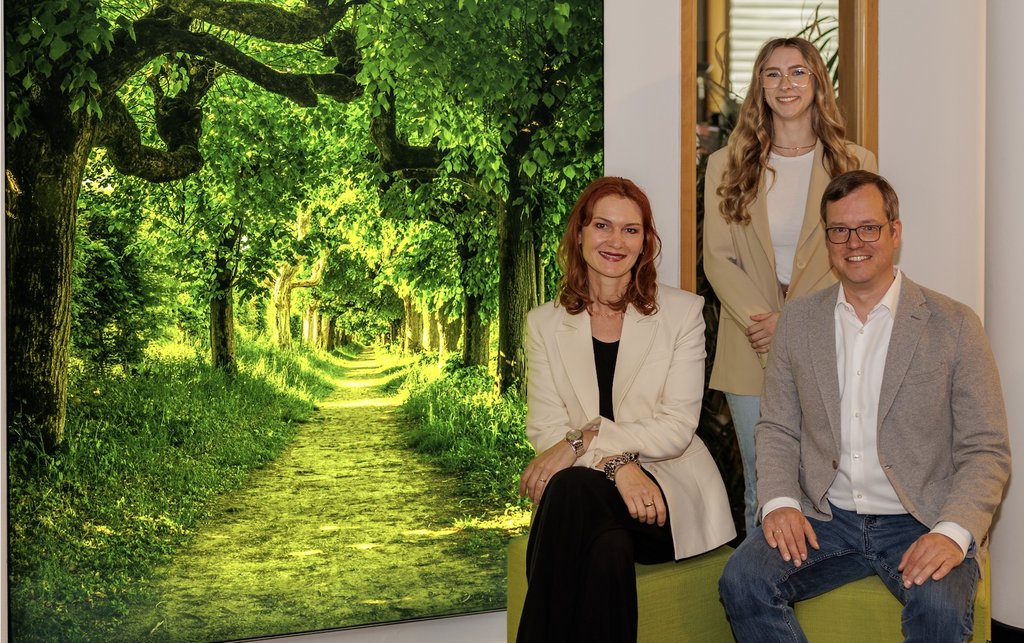
This is where SerNet GmbH comes in. “Sustainability doesn’t have to start with a grand gesture,” says Managing Director Reinhild Jung. “Many effective changes arise in day-to-day business. The key is to consciously piece together the individual puzzle pieces and give them a framework.” For the Göttingen-based IT company, this means first making visible what has long been happening in everyday life—and then consolidating these approaches step by step.
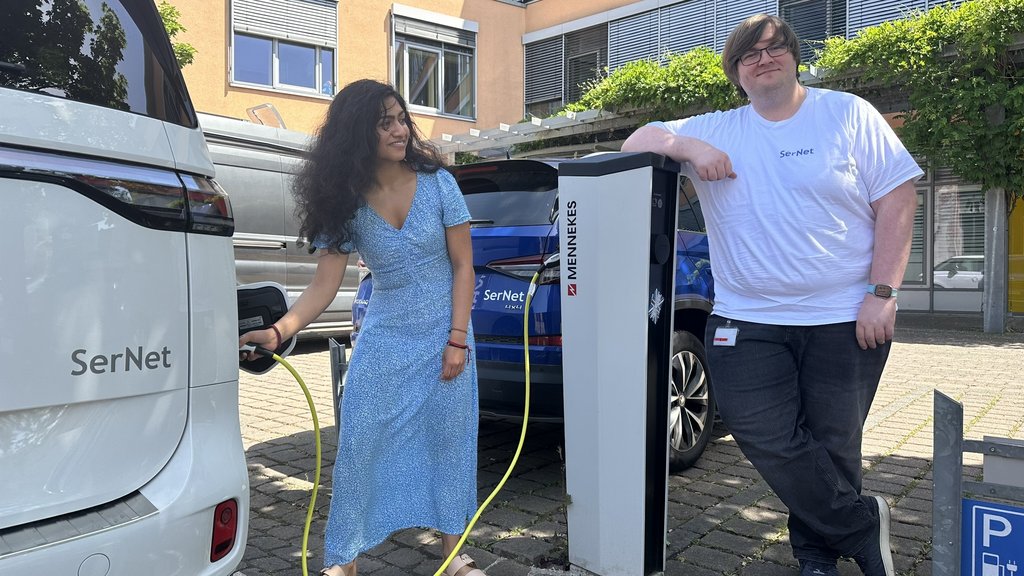
SerNet is not a manufacturing company. “We don’t have a production facility, a delivery fleet, or large material flows. Our leverage lies elsewhere in our daily work,” Jung continues: Cloth towels, eco-friendly toilet paper, water dispensers, digital invoices, paper-reduced processes, LED lighting, timers, electric cars as company vehicles, regional suppliers, and technical equipment that is used for as long as possible. Taken individually, these aren’t spectacular measures. But together, they show how sustainability takes shape: through attitudes, routines, and decisions that are put into practice.
Traveling When It Matters
Mobility plays a special role. SerNet relies on train travel, BahnCards, and bike leasing. During the COVID-19 pandemic, many companies switched to working from home on short notice. SerNet has made an agile on-site culture a permanent practice. Many colleagues continue to work flexibly, in a hybrid model, or entirely remotely—depending on the project, the team, and their personal circumstances. “Digital meetings are no substitute for in-person contact,” says Jung. “But they help us make more informed decisions about when it makes sense to travel and when a video conference is a better fit.”
This makes mobility an employer issue as well. This work culture reflects trust, facilitates work-life balance, and aligns with the expectations of many skilled professionals. Nevertheless, face-to-face interactions remain important at SerNet: Teams need to exchange ideas, offices remain places of collaboration, and social cohesion contributes to well-being in the workplace.
Open Source and Sustainability
For an IT company, sustainability also has a digital dimension. SerNet has been developing and maintaining open-source software for years, including Samba and verinice. Open-source code can be reviewed, customized, and used over the long term—this reduces dependencies and strengthens digital sovereignty.
SerNet remains pragmatic in this regard. Open source is not only a focus of its own development but also of its work with clients: When it comes to secure infrastructures and system integration (SI), the company evaluates open-source alternatives where they are technically sound and uses proprietary solutions where they are a better fit. What matters is not the label, but whether a solution is appropriate for the specific case.
Oliver Seufer, who co-leads SerNet GmbH with Reinhild Jung, also views sustainability as a matter of long-term IT viability: “Open standards, as well as durable hardware and software, lay the foundation for systems that can still be meaningfully operated and further developed many years from now.” That is sustainability where it matters most: in the core business.
From an Apprentice Project to a Process
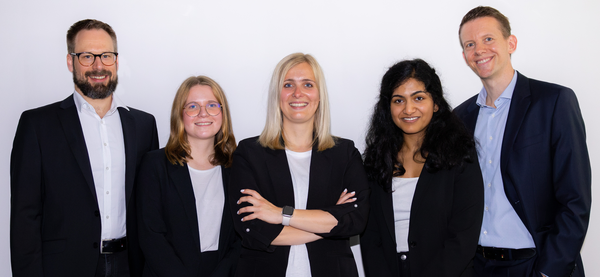
At SerNet, the topic of sustainability falls under the purview of the executive management. Last year, Reinhild Jung and Oliver Seufer specifically launched a trainee project on this topic. The idea: When it comes to the future, the younger generation—who will have to live with the consequences of today’s decisions—should also have a say in shaping it. “The trainees first compiled their observations to form an overall picture,” says Reinhild Jung.
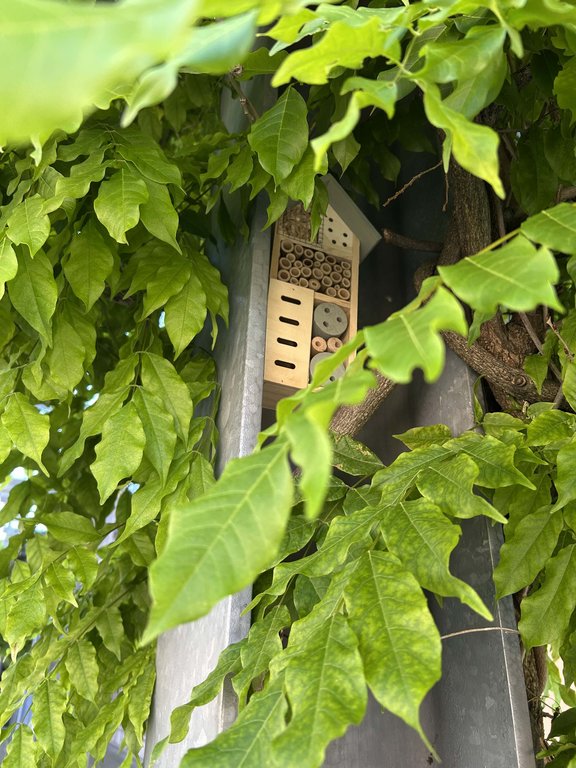
“This highlights what is already being implemented and practiced at SerNet—and what we can build upon.” New ideas have also emerged: For example, a bee hotel has been installed on the roof of the media center in Göttingen. In addition, Saskia Ripplinger, who is currently completing her dual degree program at SerNet, is taking on the role of sustainability coordinator. Consolidating contributions, turning existing approaches into a coherent process, and actively involving colleagues: these will be her tasks moving forward.
Connected in Göttingen
In line with this, SerNet has joined the League of Sustainable Businesses, an initiative of the GWG Society for Economic Development and Urban Development in Göttingen. It brings together companies from the region that want to take a practical approach to sustainability and learn from one another. For a company that operates internationally yet is rooted in Göttingen, this is a natural step: the exchange provides input, and the sustainability label we’re aiming for gives our own development a binding framework. “Many of the questions we have are similar to those faced by others,” says Jung. “That’s exactly why we’re seeking this exchange.” Seufer adds: “The label is a good benchmark. But the real value lies in the process—and in ensuring that sustainability is consistently factored into our thinking, thereby remaining an integral part of our corporate culture.”
Sustainability projects, a sustainability report, the target label, and greater engagement are the next steps for SerNet. The message extends beyond that: Sustainability begins when companies take a more conscious look at their existing decisions. In this way, many small initiatives can come together to form a shared path.